ENEA confirms maintenance as a key factor for A/C energy efficiency
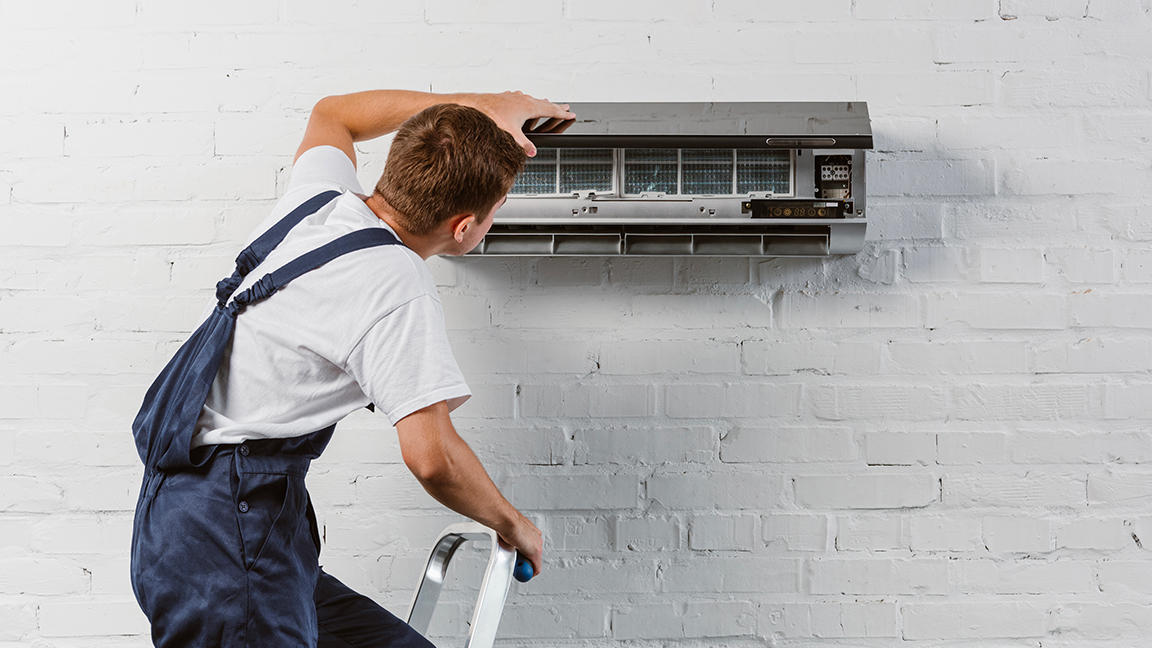
From the right model to choose to the best place to install A/C units, from the government incentives launched to the small precautions to take after the purchase: the factors that affect the efficiency of air conditioners are many and are available in the ENEA press release, which aims to provide citizens with practical recommendations on how to cool their homes, paying attention to both bills and the environment.
In the handbook, ENEA confirms maintenance as a key factor for A/C energy efficiency: one of the topics most analysed by Errecom in over 20 years of experience in the sector.
‘Air conditioning is one of the household appliances that mostly affect your energy bill, which is why it is essential to check its efficiency’ says Nicolandrea Calabrese, ENEA’s Laboratory Manager for Energy Efficiency in Buildings and Urban Development. He adds ‘In addition to bacteria, mould, and pollen, dust accumulates in the A/C filters, obstructing the airflow and making it more difficult and costly to reach the required temperature. Without proper maintenance, all air conditioners tend to consume up to 30% more electricity than they are supposed to’.
But what does ‘proper maintenance’ mean? ENEA refers to two of the key concepts often mentioned by Errecom: A/C cleaning and checking for refrigerant gas leaks. The Italian law is clear: like heating systems, air conditioners too must be inspected regularly to check for their performance and energy efficiency.
Refrigerant gas leaks, in fact, inevitably reduce the performance of the system and increase its indirect emissions damaging the environment. The problem persists even in the case of micro-leaks which, even if spread over a long period of time, cause refrigerant gas to be released into the atmosphere contributing to the greenhouse effect. Not to mention the importance of A/C cleaning: Dr Calabrese mentioned A/C filters, but the same applies to coils. Whether it is an indoor or outdoor unit, in fact, dirt buildup on A/C coils acts as a barrier, decreasing heat exchange and reducing system performance. Not only the system records higher energy consumption, but it also wears out faster and tends to get damaged more easily, requiring costly extraordinary maintenance.
For those interested in learning more about refrigerant gas leaks, we recommend reading the following article: 3 reasons why refrigerant leak detection is important; as far as it regards the link between cleaning and energy consumption of air conditioners, instead, we suggest the following article: Clean A/C systems to save energy. Enjoy!