

5 factors that increase the efficiency of solar panels
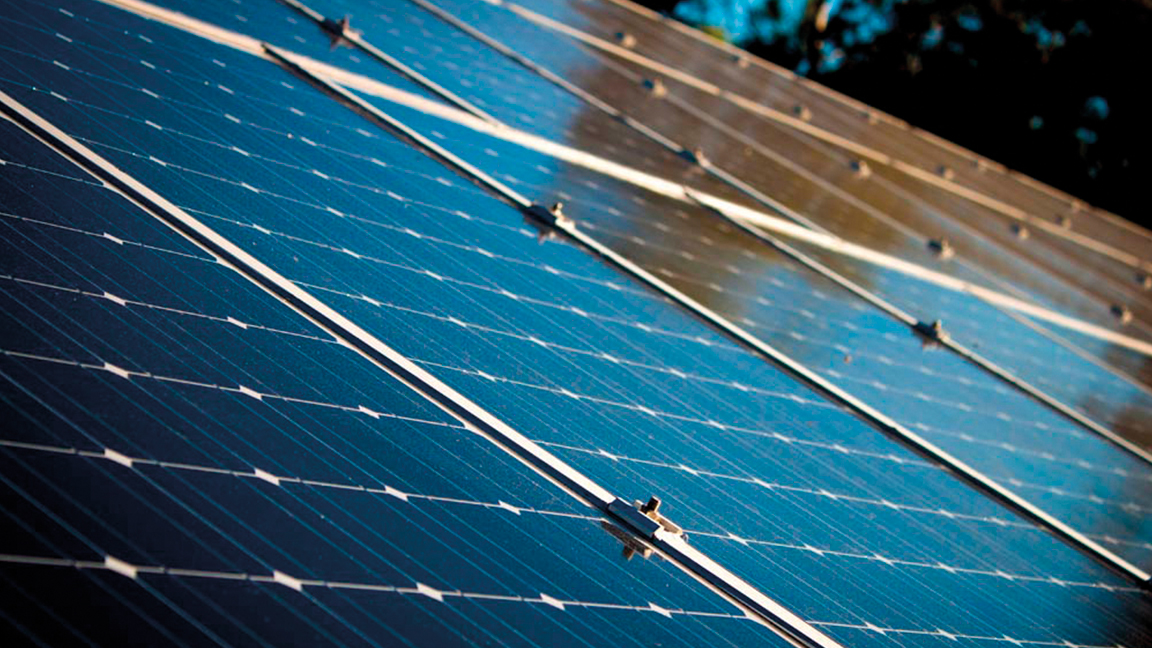
The European Commission aims to increase the target for renewable energy by 2030 from 22% to 45%. One of the main purposes, then, is to make photovoltaic panels mandatory: from 2026 for all public and commercial buildings above a certain size, and 2030 for residential buildings.
Let’s see then which factors should be considered during the installation process and which in terms of maintenance, to maximise the efficiency of these systems and amortise the high purchase and installation costs.
The performance of solar panels depends first and foremost on the technology chosen and the materials used, but other elements affect it after the installation.
- Angle of inclination
It varies depending on the country where the solar panel is installed: the closer we are to the equator, the closer the angle should be to zero. There are also devices called ‘solar trackers’ that, by tracking the sun’s rays, ensure that the light always falls perpendicular to the panels, increasing the performance of the photovoltaic system.
- Orientation
Again, this depends on where you are located. If you are in the Northern Hemisphere, the roof should face south; on the contrary, if you’re located in the Southern Hemisphere the roof should face north.
- Temperature
Generally, particularly extreme temperatures (too high or too low) reduce the efficiency of the panels. 25°C is the ideal temperature found for the system to perform at its best.
- Shading
Be sure there are no trees, buildings, chimneys, or antennas casting shadows on your solar panels, or this could reduce their efficiency. Consider that it is enough for just one photovoltaic module to be shaded to decrease the energy performance of the entire system.
- Cleaning and Maintenance
Dirt such as dust, sand, salt, debris, organic residues, leaves, or resin creates a barrier that inhibits the optimal energy production of panels. As mentioned in one of the latest article about energy-saving tips, the presence of 10 g/m2 of dust can reduce the power of a photovoltaic panel by about 34%. Frequent cleaning of solar panels is, therefore, necessary to ensure their efficiency; the intensity depends on where they are installed.
Apollo is Errecom’s professional cleaner for solar panels whose safe alkaline formula removes even the most intense dirt build-up on panels.


