


How to protect the efficiency of your photovoltaic system?
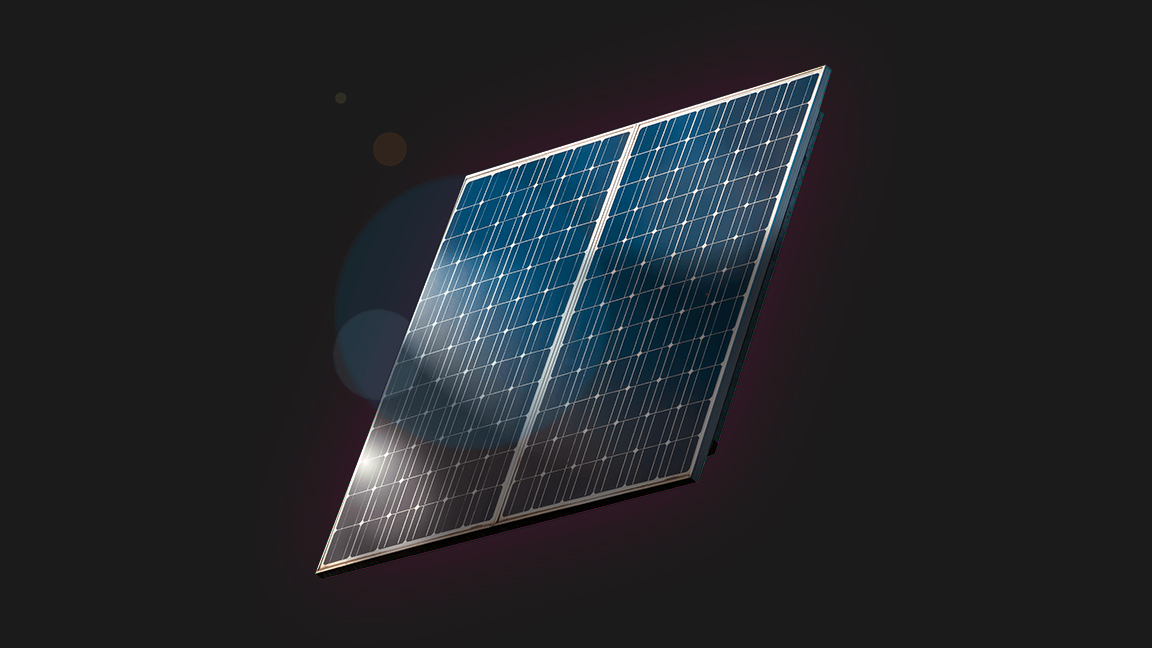
The Netherlands, Germany and Spain are leading the solar revolution in Europe, respectively with 23%, 19% and 17% of electricity generated by solar during this summer. Comparing the first six months of 2022 with the first six months of 2021, for example, Germany recorded a +22% growth in solar installations, a percentage that includes private and commercial buildings.
Even in Italy, which is by no means the European leader in solar energy production, the growth trend has been impressive.
During the first six months of 2022, 71,951 photovoltaic systems have been installed for a capacity of 1 GW, far greater than that reached annually from 2014 to 2021. In addition, comparing the 2022 data with those of 2021, we can see that the 2022 photovoltaic power has almost tripled, mainly due to installations below 20 kW: such clear proof of the important role that tax deductions had played in the solar revolution. These tax deductions, in Italy, have also concerned the purchase of solar batteries, which allow you to store the electricity your photovoltaic system generates during the day and use it at night.
What makes a photovoltaic system an even more convenient investment is its durability. Unlike other energy generators, the average life of a PV system is 25 years: 10 years longer than solar thermal systems. Of course, though, maintenance can still affect the lifespan of photovoltaic panels, despite the higher performance they recorded.
It is unrealistic to expect a system that is not regularly maintained and cleaned to achieve such a long service life and maintain its efficiency over time. Being installed outdoors, photovoltaic panels are subjected to bad weather, rain, smog, dirt, dust, and various residues that cover the panels and cause spots that reduce their performance.
Is one cleaner worth the other? Of course not! Not only is it essential to use professional and certified products, but professionals must decide between acid and alkaline cleaners, depending on the dirt to be treated. Acid cleaners, whose pH values range between 0 and 6, are particularly effective for descaling residues and encrustations of salt, rust, and organic and inorganic dirt. The alkaline ones, on the other hand, with a pH between 8-14, are effective for removing pollen, smog, dust and degreasing surfaces.
Among the products that Errecom is about to launch for 2023, there’s Sunlit: the acid cleaner for photovoltaic and solar thermal panels. Its special formula removes even the most stubborn encrustations without compromising the transparency of the panels or damaging their surfaces. If used before Apollo, Errecom’s popular alkaline cleaner, Sunlit enhances and facilitates its cleaning action, guaranteeing the long-lasting efficiency of the panels. Curious to know more about Sunlit? Get in touch with our staff!


