

Air conditioning systems: the 5 Ws of cleaning

What should you clean in an air conditioning system?
To ensure a high level of indoor air quality, one of the most important components to clean is the A/C filter, which, despite what many people claim, cannot be treated with simply hot water and soap. Just as the term itself implies, A/C filters purify the air that enters a room by blocking all those contaminants like dust, pollen, and allergens, which can be harmful to the health of those who live there. These particles must be removed with cleaners specifically formulated for A/C filters to avoid any possible damage and ensure complete and deep sanitisation of the system.
Not to mention that clogged A/C filters also decrease the airflow, reducing the system’s performance.
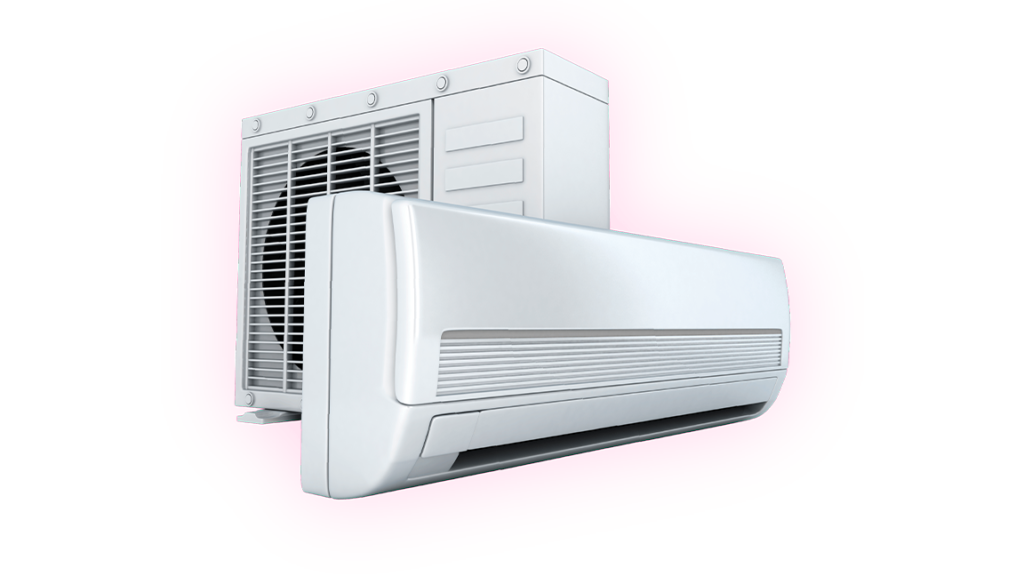
The evaporator and condenser coils are additional elements to clean since, due to their structure, dirt tends to build up there. Between the coils, in fact, several particles settle such as dust, leaves, debris, smog, and insects in the case of outdoor units, but also greasy and oily residues in the case of indoor units. Of course, there are also universal cleaners that, thanks to their special formulation, can be used to safely clean both filters and evaporator or condenser coils. Clima-Net is a great example: the new cleaner for air conditioners developed by Errecom and available for purchase on Amazon.
Last but not least, the refrigerant lines. Impurities can settle even where refrigerant gas flows: metal filings, dust and metal oxides are among the main ones and must be removed by flushing the lines with professional flushing fluids. A procedure that only an HVAC/R technician can carry out.
Why is it important to clean an air-conditioning system?
During the pandemic, we’ve learnt the importance of indoor air quality not only to protect ourselves from aggressive viruses such as covid or bacteria such as legionella but also from seemingly less serious health problems like rhinitis, conjunctivitis and so on.
Only recently, international and national bodies such as the World Health Organisation, the CDC in the USA or the NHS in the UK have raised the issue of Sick Building Syndrome. It consists of mucous membrane irritation of eyes, nose, and throat, dry skin, headache, fatigue, and loss of productivity. Poor ventilation and bad cleaning standards seem to be the main causes of these symptoms, and that is the reason why we must pay more attention to the cleaning and sanitising of A/C systems. The pandemic has taught us that now, more than before, we must protect the health of people wherever they are: offices, schools, shopping centres, gyms, hotels, and homes.
Additionally, there is a further fundamental reason that makes cleaning such a critical topic: the efficiency of the systems. Dirt settled on A/C filters or evaporator/condenser coils, in fact, acts as a barrier that reduces the airflow of the air conditioner and the heat exchange of coils, increasing the system’s energy consumption.
As far as it regards the flushing of refrigerant lines, on the other hand, it is essential to remove contaminants and prevent them from circulating in the system, as it would pollute the refrigerant gas and prevent the system from working properly.
When and how often should you clean an air conditioning system?
Speaking about refrigerant lines, this procedure regards specific moments in the life of the system, and more precisely: before the installation, in case of compressor replacement or retrofit.
However, it’s a different story when talking about cleaning A/C filters, which need to be cleaned monthly, or evaporator and condenser coils which need to be cleaned at least any time you switch the system mode from heat to air conditioning or vice versa.
Who should clean A/C systems?
Even though cleaning and maintenance of A/C systems always require the skills of specialised HVAC technicians, Errecom highly recommends completing the technician’s work with frequent cleaning. Clearly, this advice only concerns evaporator and condenser coils and A/C filters. Errecom formulates and produces several ready-to-use cleaners for this purpose, such as aerosol cans, cleaners with trigger sprayers for easier dispensing and disinfectants, all available on Amazon.
In which areas are A/C systems most exposed to dirt?
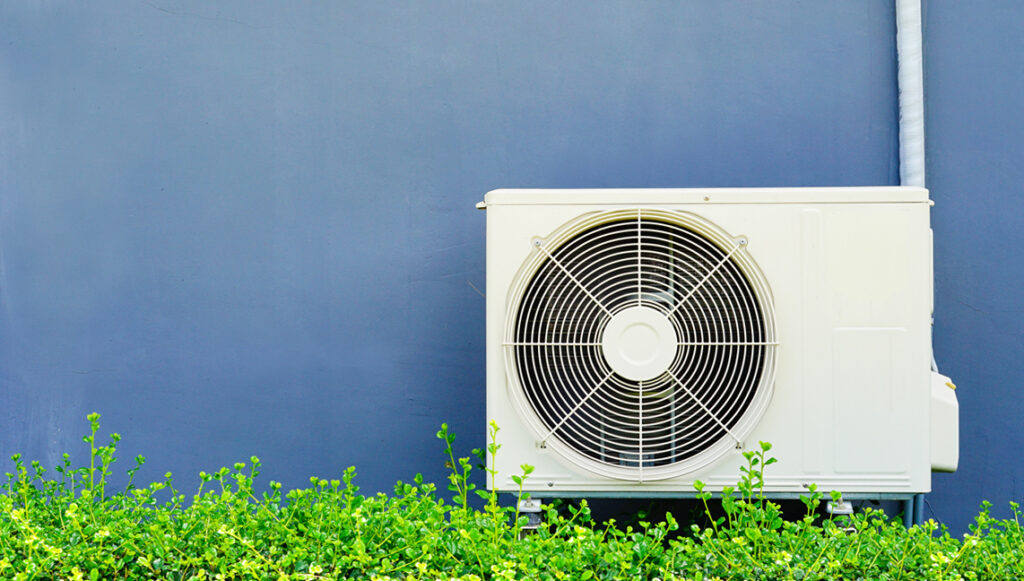
The cleaning needs of an A/C system depend on the frequency and intensity of its use and, above all, on the area where it is installed. As far as it regards outdoor units, coastal areas and highly industrialised and urbanised areas are particularly exposed to pollutants. Smog, dust, salt and, consequently, rust are contaminants that you must deal with and if not removed frequently, they can drastically reduce the performance of condensers. Speaking of evaporators, on the other hand, special attention must be paid to those installed in kitchens, as they are particularly exposed to greasy and environmental dirt, and in hospitals, operating theatres, and nursing homes, given the unstable health conditions of the people living there.
For more information about A/C system cleaning, we recommend subscribing to Errecom Academy where you can find interesting webinars, video tutorials and interviews with our experts.